
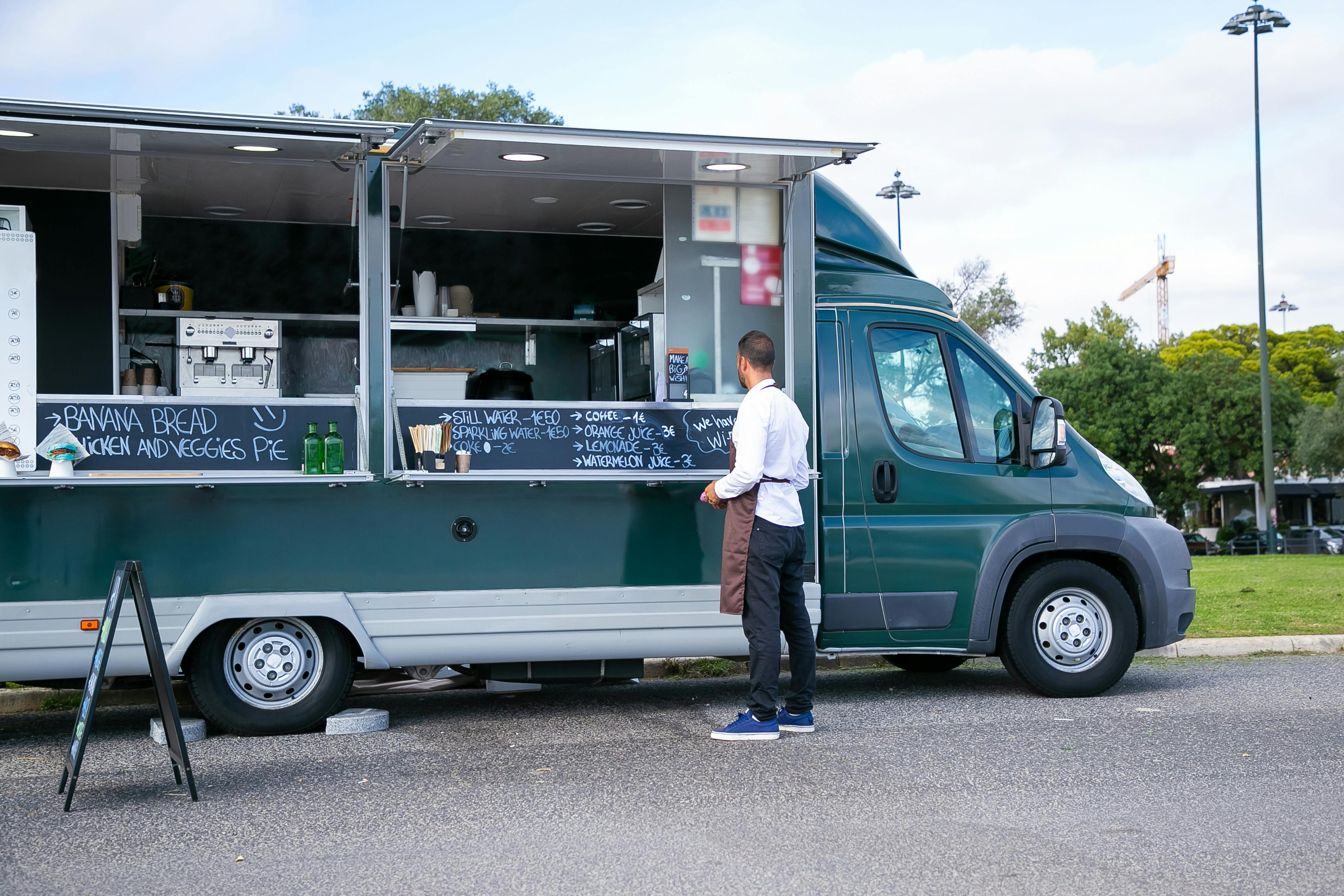
Website for Food Trucks — A Guide for Food Truck Owners, Mobile Food Vendors, Small Food Business Operators
Table of Contents
- Stop Being Just Another Truck: How Your Website Can Make You a Food Destination
- The Parking Lot Problem: Why Being Mobile Isn't Always an Advantage
- Your Website: More Than Just an Online Brochure
- Real-Time Location Updates, Automatically
- Dynamic Menus and Inventory Management
- Personalized Recommendations and Offers
- Smart Scheduling and Event Promotion
- Engaging Content That Builds Community
- Making It Happen: Actionable Steps for Your Food Truck Website
- 1. Choose the Right Platform
- 2. Prioritize Real-Time Information
- 3. Start Simple with Personalization
- 4. Embrace Online Ordering
- 5. Tell Your Story
- Your Food Truck, A True Destination
Stop Being Just Another Truck: How Your Website Can Make You a Food Destination
Let's be honest. For many food truck owners, your business often feels like a constant hustle. You're chasing events, scouting parking spots, and hoping enough people stumble upon you to make the day worthwhile. You're a mobile restaurant, but sometimes you feel more like a pop-up stand, easily overlooked in a sea of options.
It's a tough gig. You've got amazing food, a unique concept, and a passion for what you do. But how do you stand out? How do you get people to seek you out instead of just happening upon you?
The answer isn't just better food (though that always helps). It's about making yourself a destination, and in today's digital world, that starts with your online presence. Specifically, it starts with a smart, AI-driven website for food trucks.
The Parking Lot Problem: Why Being Mobile Isn't Always an Advantage
Think about it. A traditional restaurant has a fixed address. People know where to find them. They can plan their evening around it.
You, on the other hand, are constantly moving. This mobility is your superpower, offering flexibility and access to different markets. But it's also your biggest marketing challenge. How do customers find you today? Tomorrow? Next week?
Most food trucks rely on social media posts, maybe a static schedule on their Facebook page, or a simple "find us" map. This works, to a degree. But it's reactive. Customers have to remember to check, or scroll through endless feeds. It's not a proactive tool that draws them in.
You're not just selling tacos or burgers; you're selling an experience. Your website should reflect that, and do the heavy lifting of connecting you with your audience, no matter where your wheels take you.
Your Website: More Than Just an Online Brochure
A basic website for food trucks is fine. It lists your menu, maybe some photos. But "fine" doesn't make you a destination. You need something that actively engages, informs, and even anticipates your customers' needs. This is where AI comes in, not as some futuristic gadget, but as a practical tool to make your site work harder for you.
Imagine your website as your digital storefront, always open, always ready to serve. It's the hub where all your marketing efforts converge.
Real-Time Location Updates, Automatically
This is foundational. Your customers need to know where you are, right now. A simple map embedded on your site is a start, but an AI-driven solution can do more.
Instead of you manually updating your location every morning, imagine a system that integrates with your GPS or a simple check-in app. Your website automatically displays your current spot, estimated arrival time at the next, and even a "we're here until" countdown.
Example: The "Taco Truck Express" website doesn't just show a map. It says, "We're currently at 123 Main St. until 2 PM! Next stop: Elm Park, arriving around 3 PM." This level of detail builds trust and helps customers plan.
Dynamic Menus and Inventory Management
Running out of your popular brisket sandwich mid-lunch rush is a bummer for everyone. An AI-enhanced website can connect to your POS system or a simple inventory tracker.
If you sell out of an item, it can automatically show as "sold out" on your online menu. No more disappointed customers showing up for something you no longer have. It can also highlight daily specials or limited-time offers based on availability.
Example: A coffee truck's website could show "Pumpkin Spice Latte: Limited Stock!" if their syrup is running low, or "Today's Special: Maple Pecan Scone (Freshly Baked!)" based on inventory updates.
Personalized Recommendations and Offers
This is where AI really starts to shine. Think about how Netflix suggests movies. Your website can do something similar, albeit simpler, for your food truck.
If a customer visits your site multiple times and always clicks on your vegan options, the website could subtly highlight new plant-based dishes or promotions on their next visit. If they've ordered a specific combo before, a "Reorder Your Usual?" button could pop up.
Example: A BBQ truck's website might notice a customer frequently checks out their pulled pork. The next time they visit, a small banner could appear saying, "Craving pulled pork? Try our new Carolina-style sandwich!" This feels personal, not pushy.
Smart Scheduling and Event Promotion
Getting booked for events is crucial. Your website can become a powerful tool for this. Instead of just a contact form, imagine a smart calendar.
Event organizers could see your availability, view your typical event packages, and even submit a preliminary booking request that gets routed to you with all the necessary details. Your public schedule can also be dynamically updated with event details, making it easy for customers to plan their visit.
Example: A pizza truck's website could have a "Book Us for Your Event" section with a calendar showing open dates. When a customer clicks on an available date, it prompts them for event type, guest count, and desired menu package, streamlining the inquiry process.
Engaging Content That Builds Community
Your website isn't just for transactions; it's for storytelling. Use it to share your journey, your passion, and the faces behind the food.
Blog posts about your sourcing, interviews with your team, or even behind-the-scenes videos of new menu development can turn casual visitors into loyal fans. An AI tool could even suggest blog topics based on popular menu items or frequently asked questions.
Example: A truck specializing in gourmet grilled cheese could have a blog post titled "The Secret to Our Crispy Sourdough" or "Meet Maria, Our Master Cheese Melter." This humanizes your brand and builds connection.
Making It Happen: Actionable Steps for Your Food Truck Website
You don't need to be a tech wizard to implement these ideas. Many website builders and specialized food truck platforms are integrating these features.
1. Choose the Right Platform
Look for a website for food trucks solution that offers:
- Easy location integration: Can it connect to your GPS or a simple check-in app?
- Dynamic menu capabilities: Can you easily update items, prices, and availability?
- Mobile-first design: Most of your customers will find you on their phones.
- Online ordering integration: This is a must-have for convenience.
- Basic analytics: Understand where your traffic comes from and what they look at.
Platforms like Square, Shopify, or specialized food truck website builders often have these features or integrations available. Don't be afraid to ask about AI capabilities during your research.
2. Prioritize Real-Time Information
Your location and menu are the two most critical pieces of information. Make them front and center on your homepage. Ensure they are always accurate. This builds trust.
Consider a simple "Where Are We?" widget that pulls data from a Google Sheet you update daily, or directly from a GPS tracking app.
3. Start Simple with Personalization
You don't need a complex recommendation engine right away. Start with small steps.
- "Customers also bought..." features if your online ordering system allows.
- Highlighting popular items based on sales data.
- Collecting email addresses for a newsletter where you can send targeted offers.
4. Embrace Online Ordering
If you're not already doing it, set up online ordering for pickup. This reduces lines, speeds up service, and allows customers to browse your menu at their leisure. Many website platforms integrate directly with popular POS systems.
5. Tell Your Story
Don't underestimate the power of your brand's narrative. Your "About Us" page shouldn't just be a paragraph. Make it engaging. Include photos of your truck, your team, and your food. Share your passion.
Regularly update a simple blog with news, new menu items, or stories from the road. This keeps your website fresh and gives people a reason to return.
Your Food Truck, A True Destination
Your food truck isn't just a vehicle that serves food. It's a brand, an experience, and a culinary adventure. By investing in a smart, AI-driven website for food trucks, you're not just getting an online presence; you're building a digital magnet.
You're transforming your mobile operation from a fleeting option in a parking lot into a sought-after destination. People will know where to find you, what delicious food awaits them, and why your truck is worth seeking out. That's how you move beyond the hustle and build a thriving, memorable business.